An Enthusiastic Beekeeper from The Italian Dolomites II.
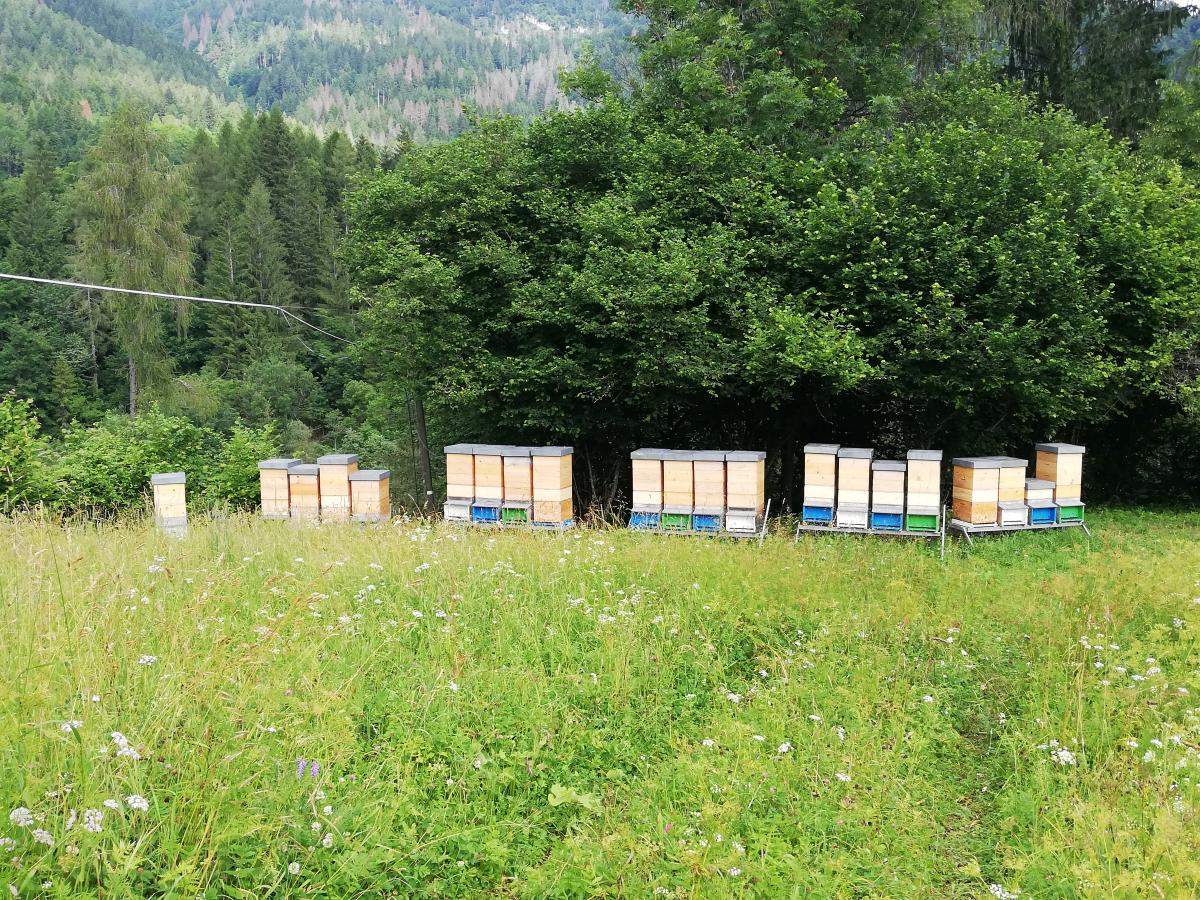
Here in the Dolomites, everything is over by mid-July. The current goal is to protect the colonies from varroa mites. At that time, I imprison the queens on one or two combs, where I let them lay eggs. On the 18th day, I release the queens and remove the brood comb, which acts as a trap for Varroa destructor mites. On the 24th day, I treat the colonies with oxalic acid.
I use the combs with the removed brood to create several small new colonies. This is only possible if I am sure that there is little varroa in the original colonies. I use a powdered sugar test. On the 24th day, I treat them with oxalic acid and, if everything went well, a new queen will be ready to lay eggs. I always take small colonies to a new apiary to prevent re-infestation. The result is not strong colonies, but it allows me to overwinter replacement queens.
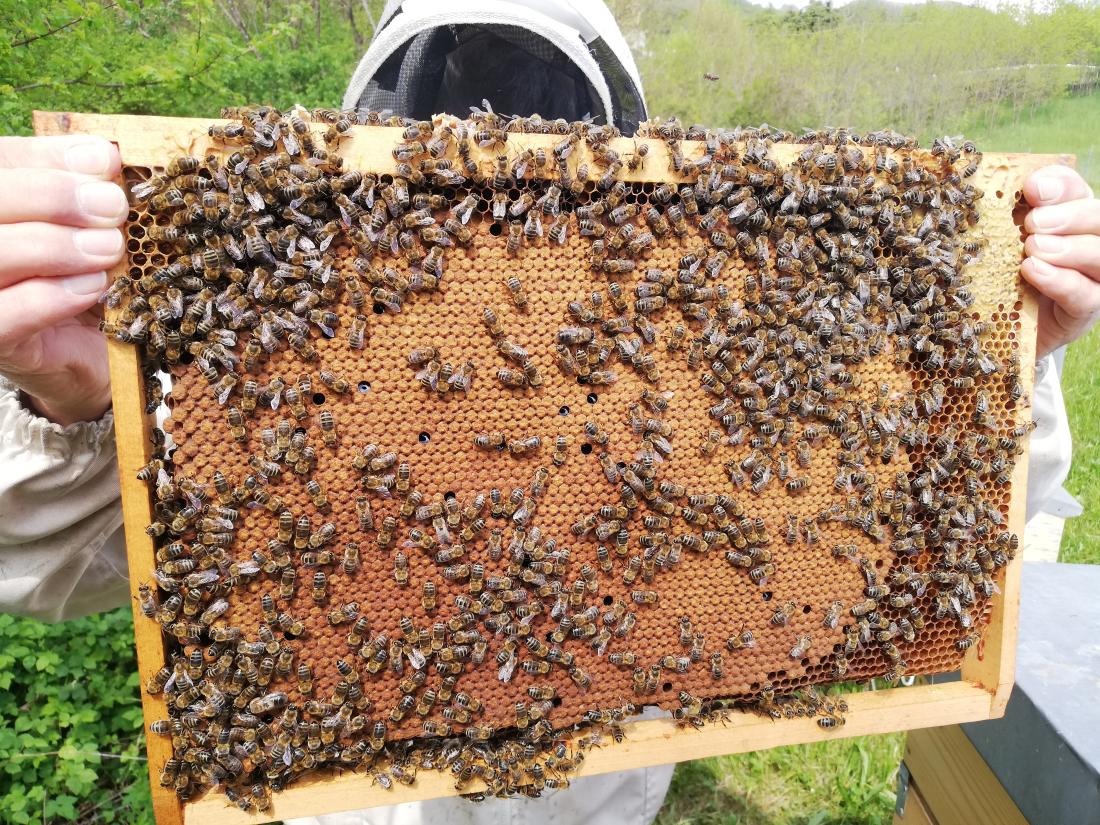
In August, queen bees in colonies immediately start laying eggs again, because they never really stopped. At this point, it’s important to encourage strong brood production to raise absolutely healthy winter bees. In my opinion, neither formic acid nor amitraz can guarantee this. Only a break in brood production will stop varroa mites and viruses. I’m convinced of that. During August, I replenish my supplies for the winter. I try to have 9 or 10 combs in the colonies, plus an empty half-super (I copied this from you Czechs) for storing 1:1 syrup without taking up space for brood. I usually feed three large doses. In August and September, there is almost no nectar here, but there is always pollen. Most of the syrup is consumed before the autumn brood break, so there are plenty of lime honey and pollen combs left for the winter.
September is a transitional month. If I really have to, I replace the worst queens, but it would be better to wait until later.
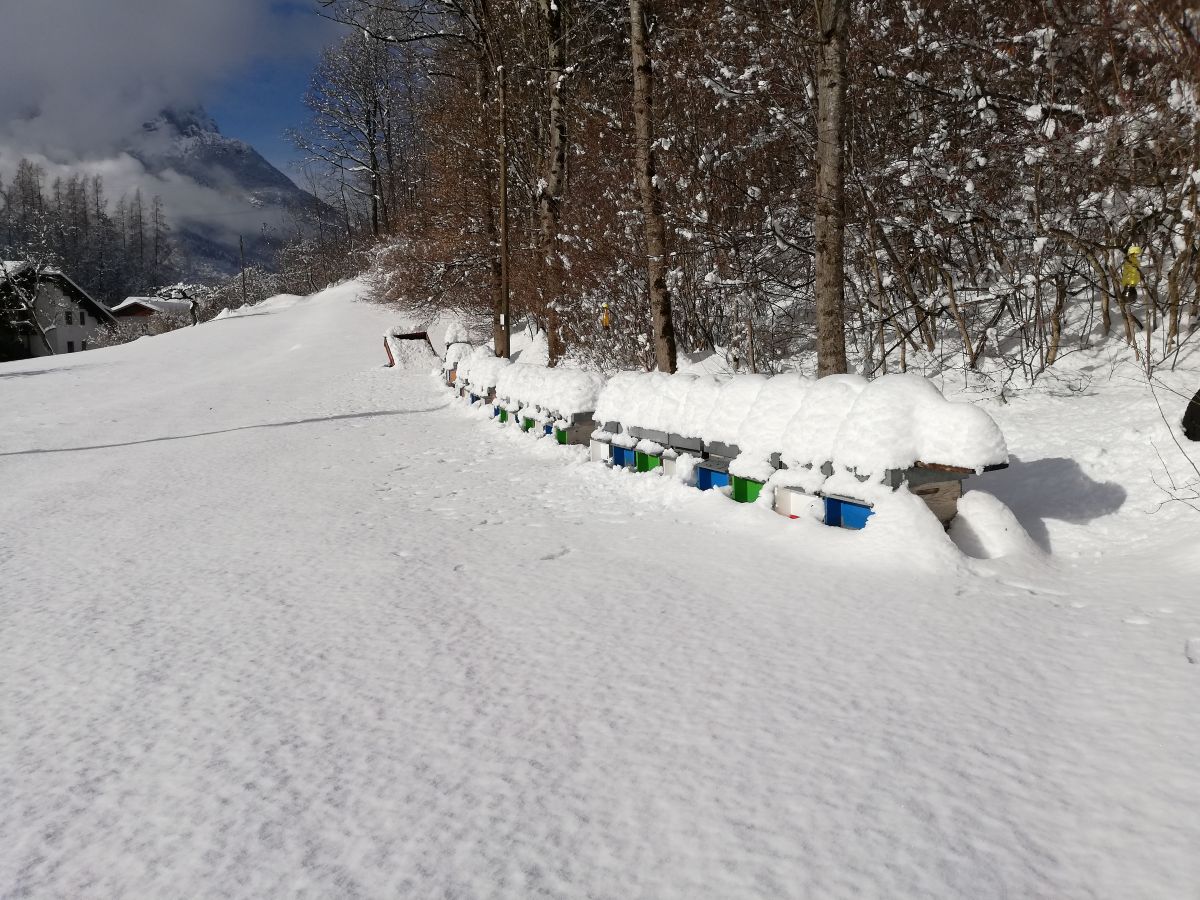
In October, the bee colonies are strong and have sufficient supplies. Feeding is strictly prohibited so as not to stimulate brood rearing. I replace old queens and, above all, check for varroa mites. I do not insulate the hives because I am convinced that the bees must feel the cold so that the queens do not lay eggs. Theoretically, there is no honey flow in the Dolomites at the end of October, but recently the climate has not been helping. Between October and November, I intervene with buffering treatments using sublimated oxalic acid. I try to achieve a completely broodless period again. I have observed that sublimation treatment restarts brood rearing. But that’s just my observation. It is clear that not all colonies have a significant decline in varroa infestation. Some more, some almost none, but those that became infested during the fall suffer a significant decline in population during the winter.

After this discovery, I decided to cage the queens in the fall as well. The result was excellent. I caged the queens in November after the third sublimation, before the onset of severe cold weather. The colonies remained broodless until the end of January, longer than during the natural pause, which usually ends around Christmas. I lost only one three-year-old queen in the cage. I think I will introduce this system every year at the end of October, without waiting for the natural brood pause, which is no longer certain and uniform.
Conclusion
In conclusion, I would like to thank Pavel Cimala for giving me this wonderful opportunity to share my beekeeping methods with you, with great humility and without pretending to teach anyone anything. I have been learning for fourteen years and strive to improve year after year. I am just a small beekeeper with a few hives, but with a great passion, just like you.
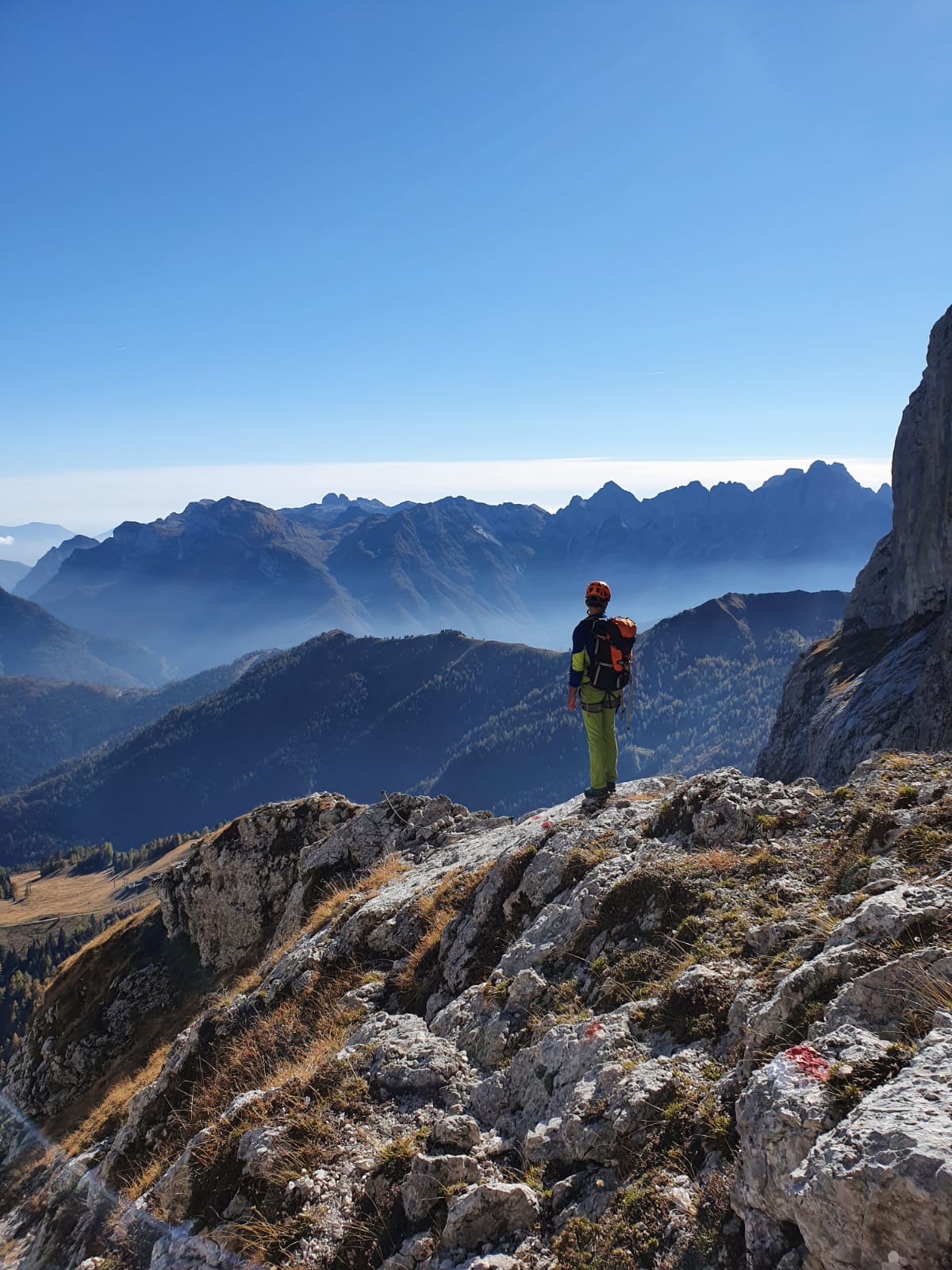
“Please keep this between us, I’ll only tell you: I’m a little jealous of beekeepers in the Czech Republic…hahaha.”
Finally, let me thank my parents, Rosanna and especially my father Faust, who has been helping and encouraging me for 14 years. And to Elena, who has been patiently working with me for 7 years. The season opens with a new challenge, it will be the first with our little Sveva, born in September, the most beautiful and important of our queens.
Matteo Todesco, beekeeper, Dolomites, Italy