Bee Story from Belgium I.
For the May issue of Beekeeping, I have prepared a “bee story” from one of my customers in Belgium, who has been battling Asian hornets for several years. I believe you will find his personal experience interesting.
Ing. Pavel Cimala
Dear Czech beekeepers,
In the following lines, you will find “my bee story,” in which I share my experiences as an “imker,” as we call beekeepers in Flemish. As I also mention in the article, I don’t want to come across as pedantic, but there may be slight differences compared to beekeeping in the Czech Republic. That’s why I also want to share my basic skills with you. The article is in Dutch, and I really hope that nothing gets lost in translation. Enjoy reading!
Best regards, Johan Verstraate
My bee story
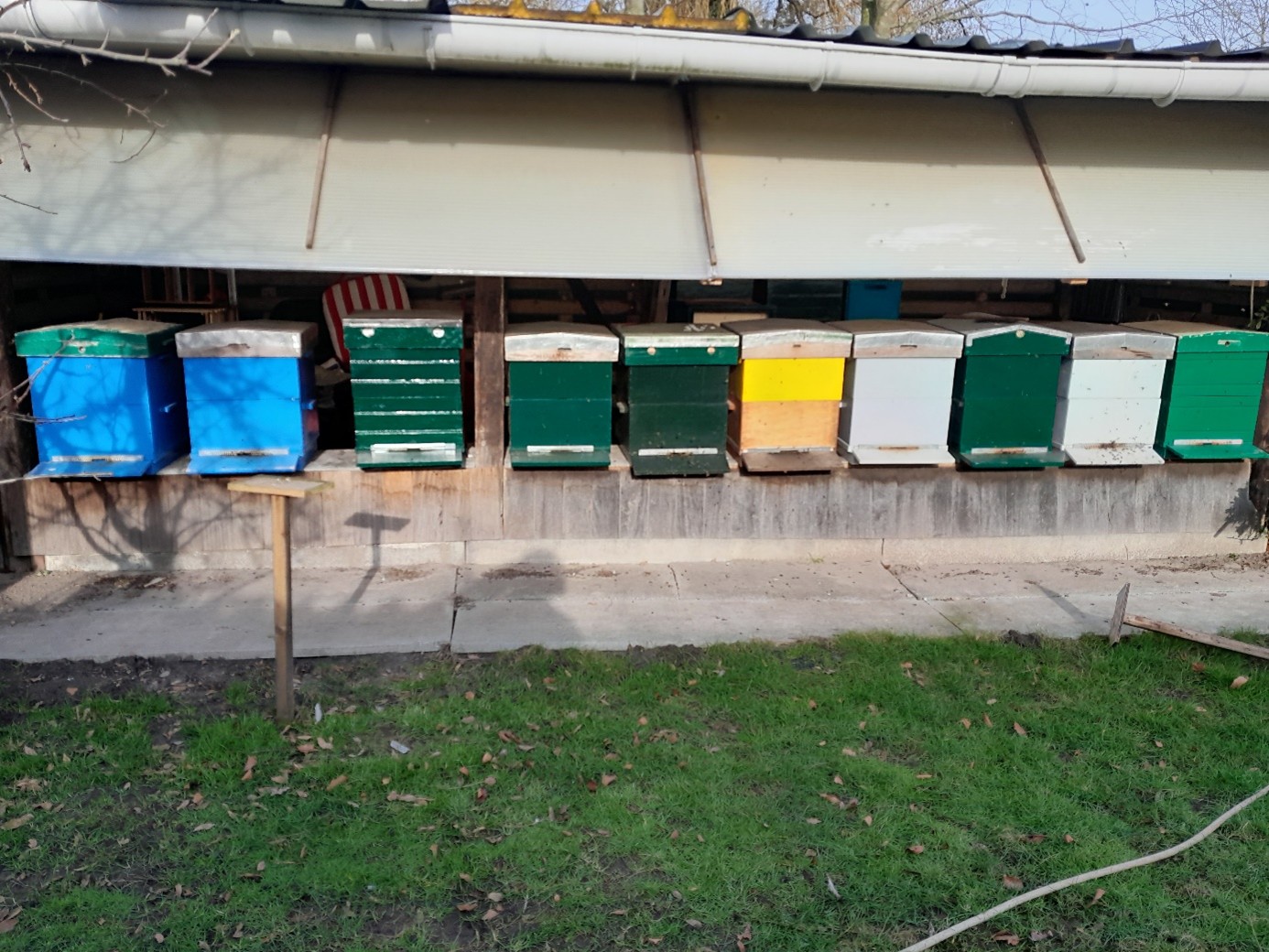
My name is Johan Verstraete (*1965) and I live in West Flanders, Belgium. I was 10 years old when I accompanied my father to buy his first bee colony. Gradually, beekeeping attracted me and I started beekeeping myself at the age of 24. I am a trained carpenter, so I make my own hives and everything that goes with them. I am a member of the “De Ijzervallei” beekeepers’ association in Diksmuide. I keep bees at an altitude of 6 m.
In Belgium, we have 85,000 bee colonies, which are cared for by 8,500 beekeepers. The bee population in Belgium is approximately 3 colonies/km2. Beekeepers in Belgium can keep a maximum of 24 productive colonies if they want to be exempt from income tax.
Simplex hive
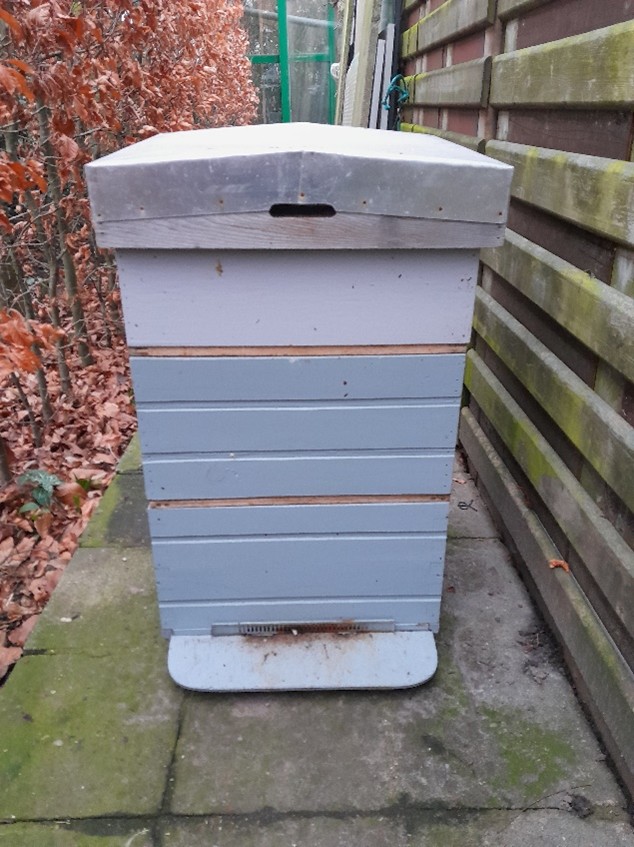
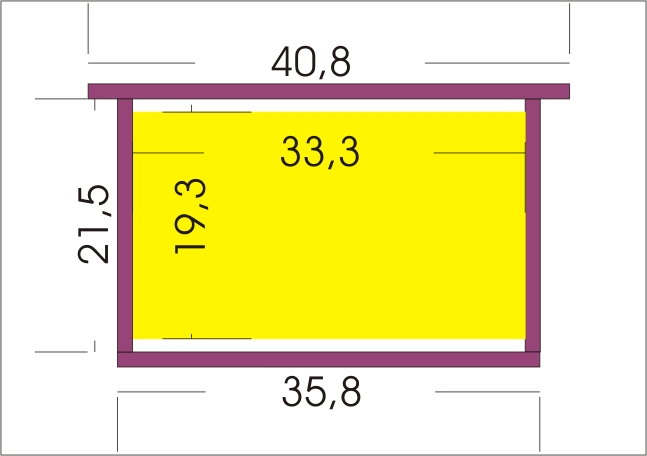
I keep bees in Simplex hives with 11 frames measuring 35.8 x 23.5 cm. The hive consists of a bottom board, two supers for brood rearing, a honey super, two queen excluders, and a lid. It is easy to handle and lightweight. It is the most commonly used type of hive in our region. I use five sealed stainless steel wires to reinforce the partition.
Annual routine
After the summer honey harvest, I stock up on winter supplies. As a responsible beekeeper, I start dissolving sugar in July. To do this, I take a bucket with a bottom pierced with 5mm holes. I place a mosquito net on the pierced bottom. I fill the bucket with sugar to 6 to 7 cm from the top edge. I fill the bucket to the brim with water. The water flows into the bottom bucket. I pour this sweetened water back over the top bucket. This gives me a saturated solution. Done! I add more sugar 6 to 7 cm from the rim, and so on… I feed them every evening until the colony gets its 15 kg of supplies.
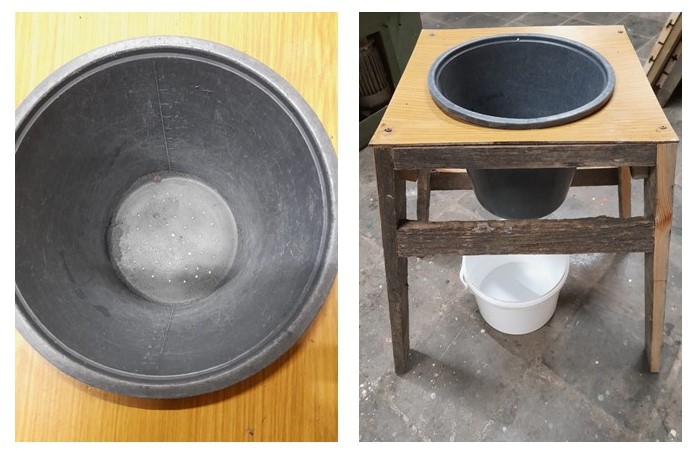
In the second half of September, it is time to treat the colonies. I have already removed many Varroa mites by cutting out the drone comb, but that is not enough. I use “Nassenheider Verdunster” for treatment. I fill this evaporator with formic acid.
The Nassenheider system is attached to a Simplex frame and placed in the second super. The super is filled as follows: let’s assume we still have three combs of brood. I have pollen combs on both sides. The evaporator is placed next to them. The remaining five combs are winter reserves. Formic acid apparently kills the brood closest to the evaporator. To be on the safe side, I leave a pollen comb next to the evaporator.
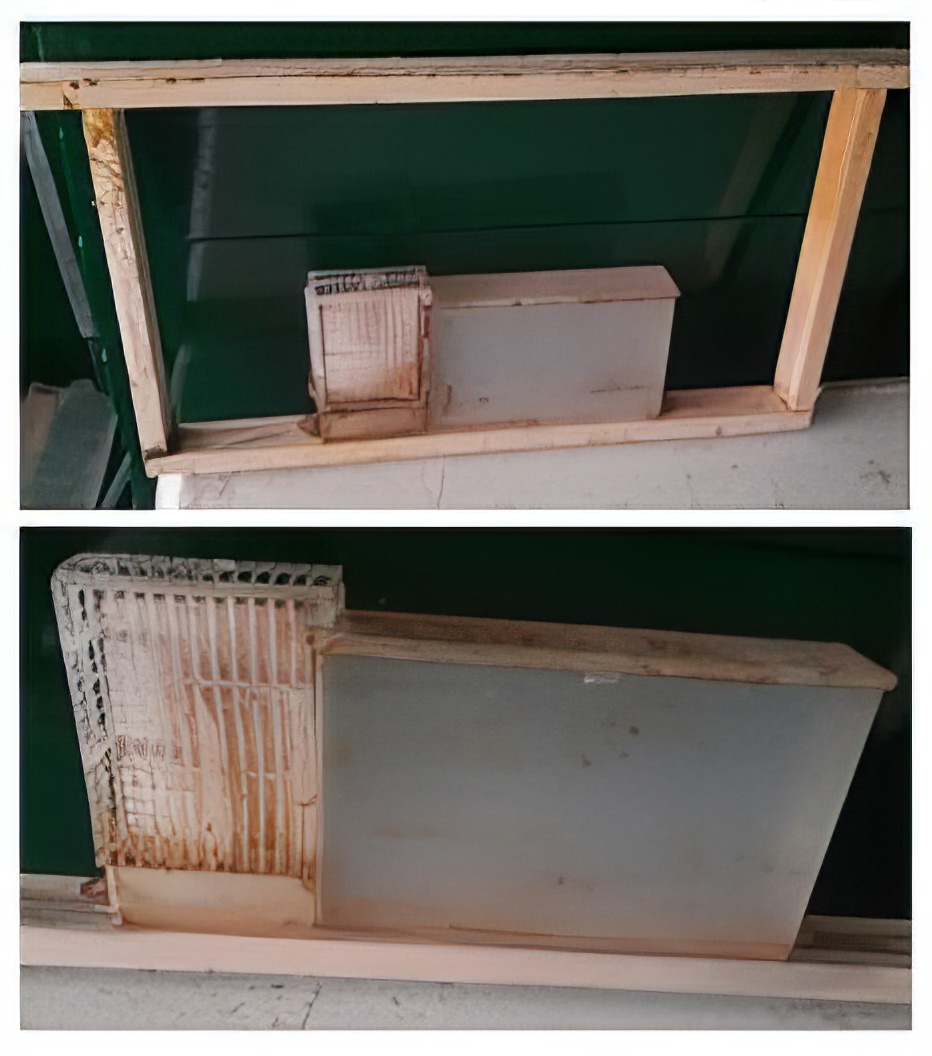
The evaporator contains formic acid, which should evaporate within 10 days. I refill the evaporator every 10 days. Given that the development cycle of bee brood lasts 21 days, the mites have certainly been killed… and yet it is estimated that 5% survive… we must continue with this… After 30 days, the evaporator is replaced with the previously removed frame feeder.
It is now mid-October, and from this point on, I will leave my colonies undisturbed. This will last until the end of January. During this period, there is little or no brood in Belgian colonies. The bees hibernate in a winter cluster and keep each other warm. Any inspection or disturbance can disrupt this tranquility with negative consequences. In February, when the weather is good and the bees have already started flying, I take the opportunity to quickly check the colonies to see if they have enough supplies. I can also determine the outcome of wintering. How many colonies did not make it? Or am I dealing with the well-known “disappearing” disease?
To be continued…