Beekeeping in The Pannonian Plain
Beekeeping in Europe
I was thinking about how to diversify our beekeeping topics. Since I am in contact with beekeepers from all over Europe who purchase my queen bees, I asked them if they would be so kind as to tell us about beekeeping in their country or region. Since they are not professional beekeepers, their perspective is unique and may be eye-opening for many of us. The first to introduce himself is beekeeper Norbert Surányi, who keeps bees 60 km south of Budapest, within sight of the Danube.
Ing. Pavel Cimala
Thank you very much for the opportunity to present in the Beekeeping magazine. It is my pleasure to write a few thoughts about Hungarian and my own beekeeping. My name is Norbert Surányi and I am a third-generation beekeeper in our family. I keep bees in the small village of Nagyvenyim in the middle of Hungary, at an altitude of 151 meters above sea level, where I have 100 bee colonies. Beekeeping is not my main occupation; I studied economics and work in this field. However, I cannot call beekeeping with 100 colonies a hobby; I would rather say that I am halfway to fulfilling a big dream.
Hungary is a European beekeeping powerhouse. More than 21,000 beekeepers care for 1.2 million bee colonies. Bee density is high (13 colonies/km²). Each beekeeper has an average of 57 bee colonies. Beekeepers produce 25,000 to 28,000 tons of honey annually, including the acacia honey that is famous throughout Europe. Hungary is located in the Carpathian Basin. The original bee here is the Carniolan breed, a local version of which is the Pannonian bee. Hungarian beekeepers are working hard to preserve it. It is a breed of bees with excellent characteristics that can achieve amazing results under the right guidance.
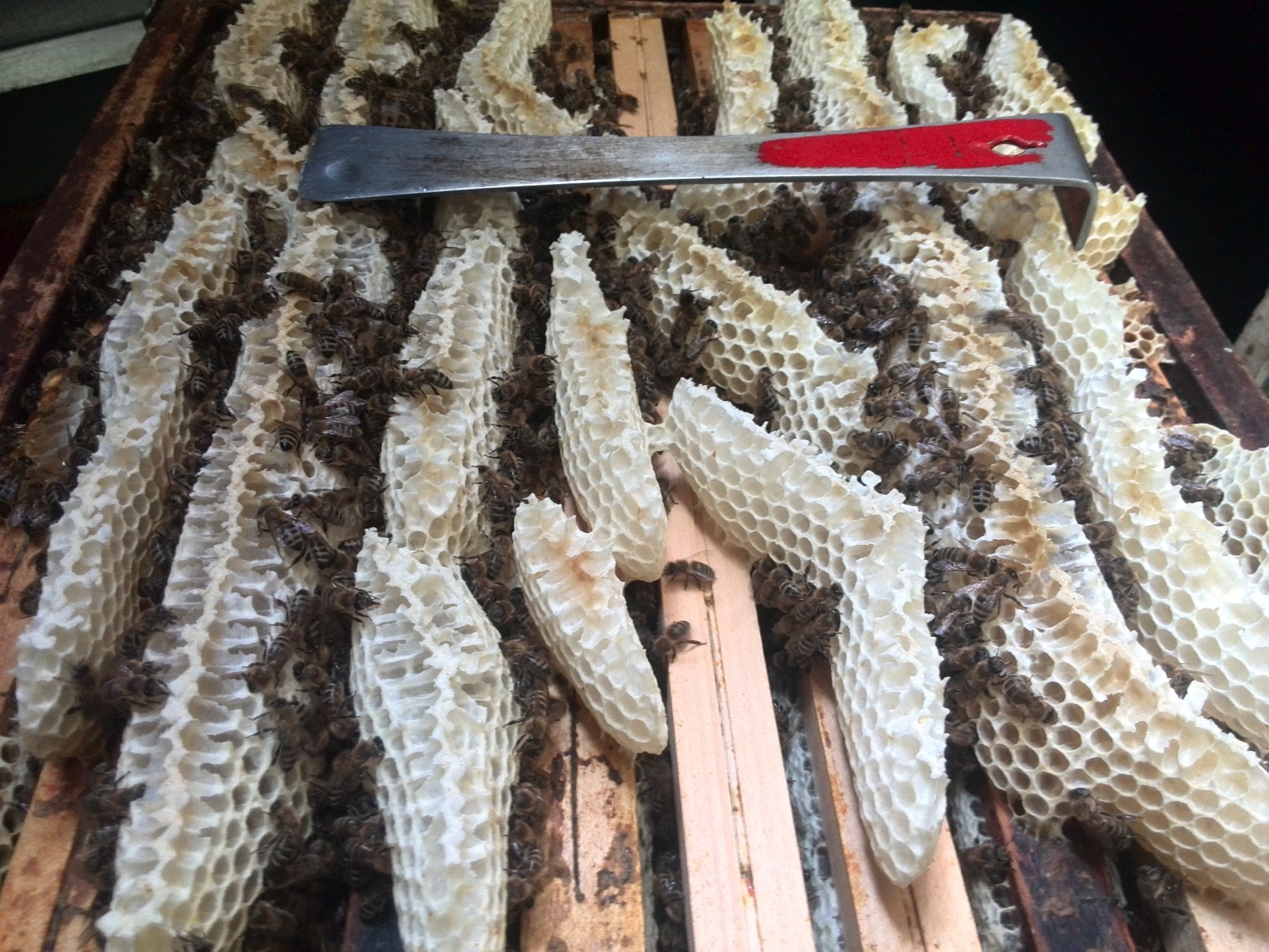
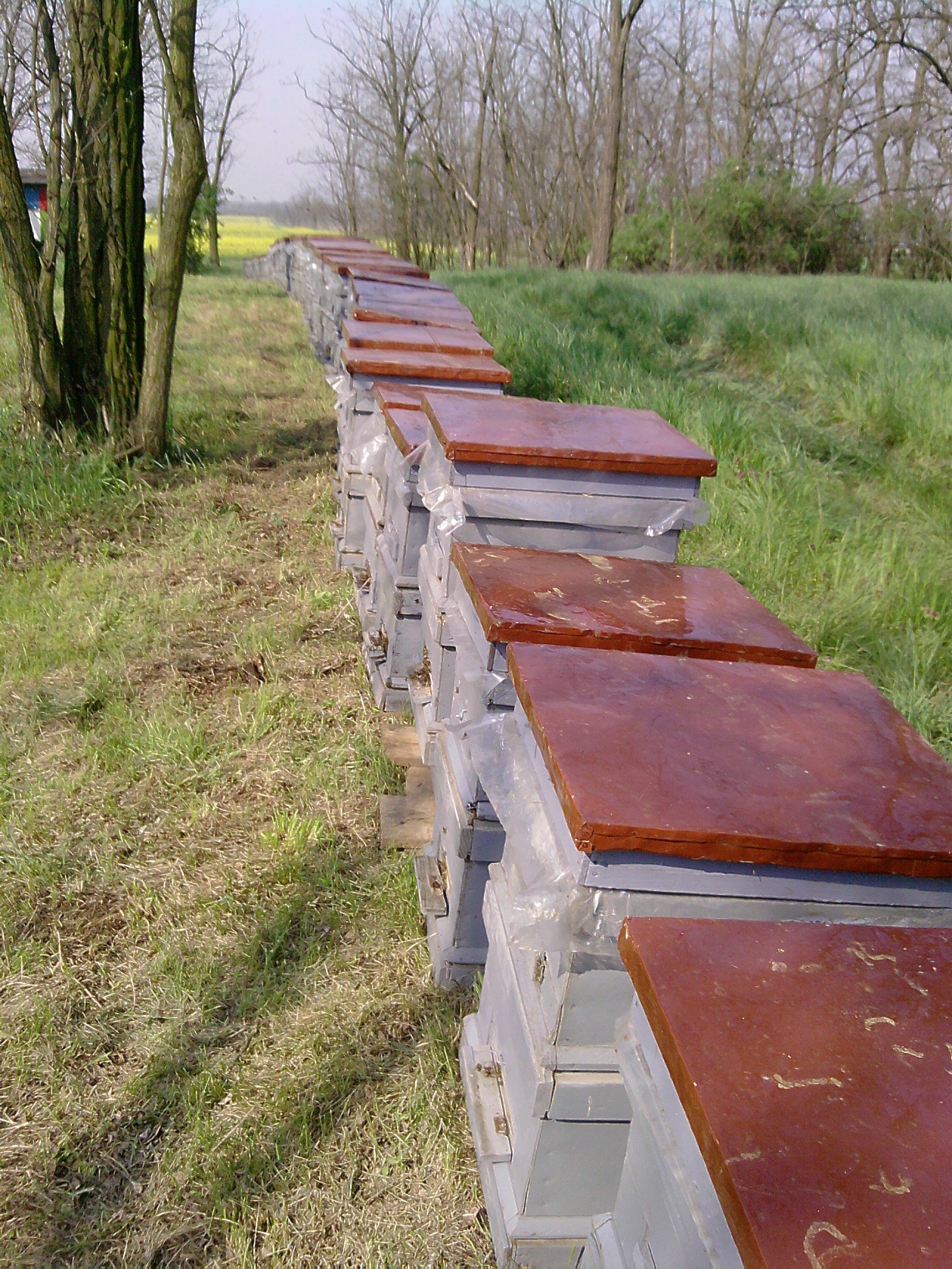
As I mentioned, I am a third-generation beekeeper and was practically born into beekeeping. Even as a child, the apiary was my playground. My family has been beekeeping for more than 50 years, so our lives have been intertwined with this beautiful profession for decades. I work with Hunor 10 hives (a Hungarian standardized hive since 1927, translator’s note). My hives are medium-sized stackable hives. The hive consists of uninsulated supers, which usually contain 10 frames corresponding to their type. The size of the hive can be changed as desired depending on how many supers are stacked on top of each other. Each super has a separate closable entrance and can hold 25 kg of honey. The dimensions of the frames that can be placed in the Hunor hive are 42 cm x 27 cm. The bottom with an escape space and the roof are detachable, so the hive components must be joined together for transport.
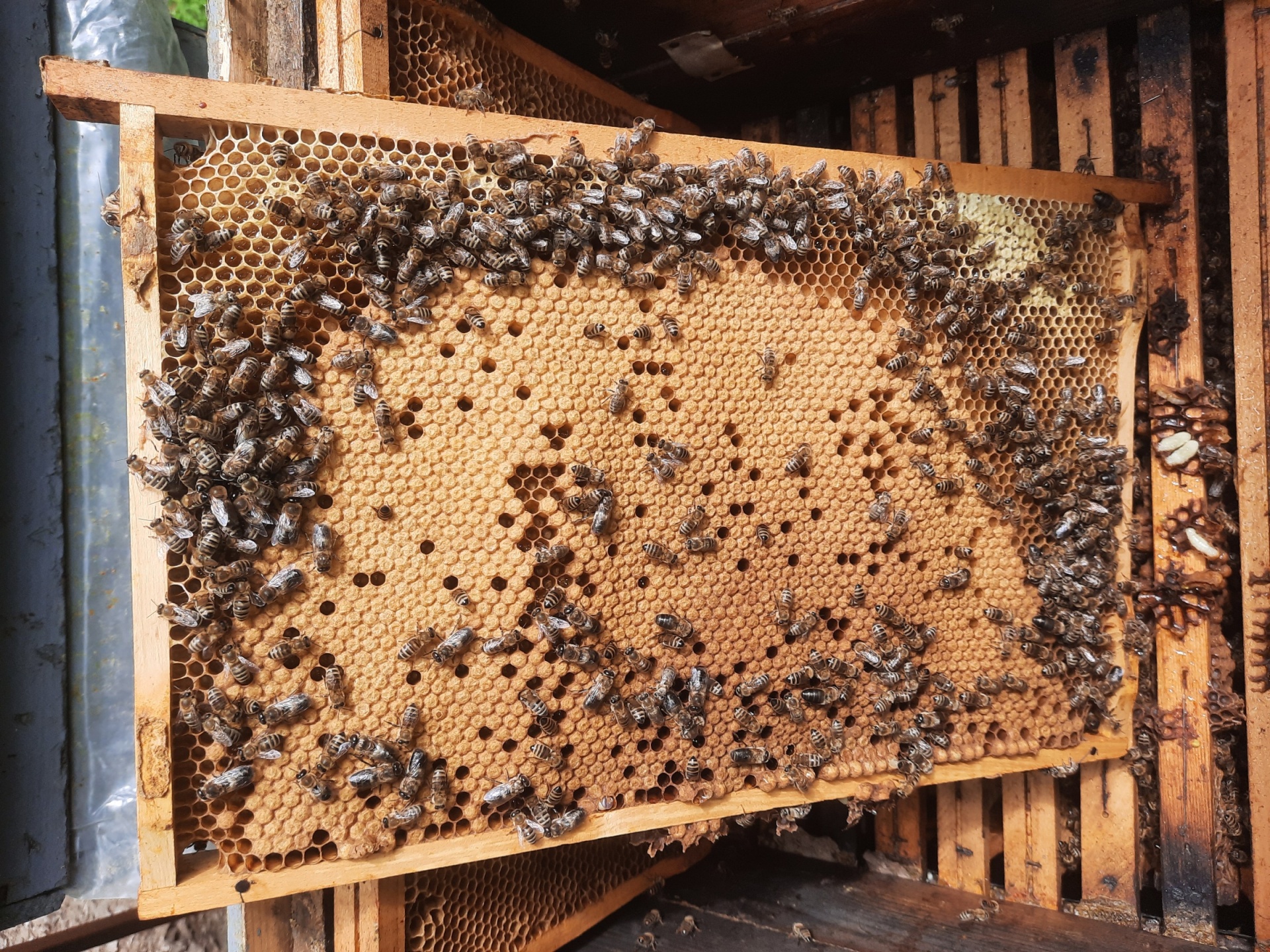
Part of our farm is mechanized so that we can work more efficiently. However, I still like to do a lot of work the “old-fashioned” way, without machines. For example, when collecting honey and sweeping bees from the frames. I should point out that I replace 90 percent of the queen bees every two years, for both technological and economic reasons.
In accordance with regional and climatic conditions, I have the opportunity to migrate to four types of bee pastures every year: rapeseed, acacia, linden, and sunflower. The acacia blossom stands out among these, as it is considered the most important bee pasture in Hungary. Under suitable conditions, with strong bee colonies and favorable weather conditions, it is not unusual to measure a yield of up to 10 kg per day.
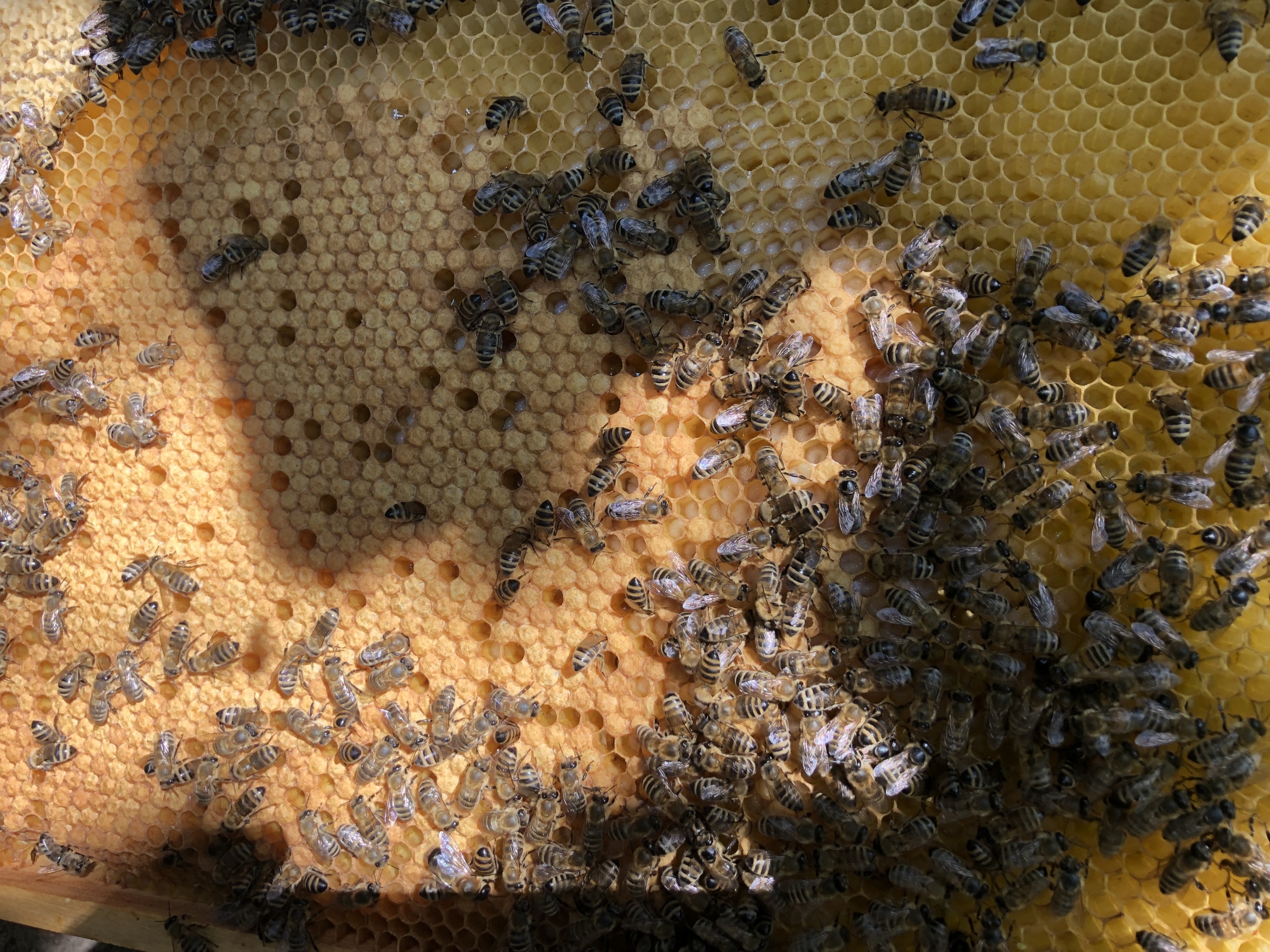
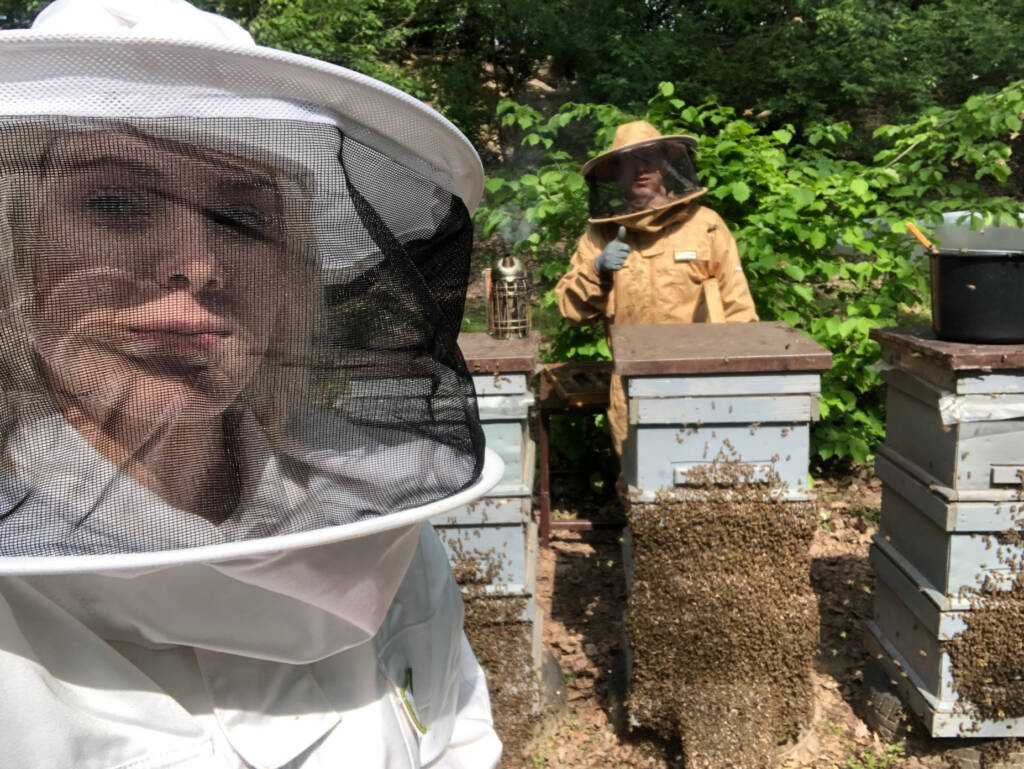
For more than two years now, I have been fortunate to be able to keep bees with queen bees from Pavel Cimala. I also breed my own queen bees, but I buy most of my queen bees from a domestic queen bee breeder. This is partly why I was looking for the possibility of purchasing queens from abroad as a “blood refresher,” but without deviating from the nature of the breed. Overall, it can be said about Carnica-Cimala queen bees that they stop laying eggs in the fall, at the end of October, at least one week before the original Pannonian queen bees. They winter well and can withstand even the cold winter months. In November and December, there is absolutely no brood rearing in the colonies, as evidenced by the internal thermometer inserted into the colony. Of course, the development of colonies here in Hungary is also influenced by the weather, but brood rearing does not begin until the end of January. Colonies populated with Carnica-Cimala queens develop very well in the spring and, without exception, compete with the high-quality Pannonian queen bees.
Norbert Surányi, beekeeper, Hungary
Translation by Ing. Pavel Cimala